Luxury Brands, and the US-China Trade War
The Hidden Battle
by Noel Mannariat
Economics
April 18, 2025
9
9
min read
The Hidden Battle: Chinese Manufacturers, Luxury Brands, and the US-China Trade War
In recent weeks, a curious pattern has emerged on social media: content creators are revealing the stark disparity between the production costs of luxury goods and their retail prices—often accompanied by convincing knockoffs from Chinese manufacturers. As a student of global trade, this trend raised a deeper question in my mind: is this merely a consumer awakening, or could it be a subtle, retaliatory strategy in the escalating US-China trade war?
In this blog, I’ll unpack the geopolitical and economic undercurrents behind these revelations, explore how luxury brands are being dragged into a larger power struggle, and examine whether consumers are the real winners—or unsuspecting pawns—in this global economic game.
The Escalating US-China Trade War: A New Economic Battlefield
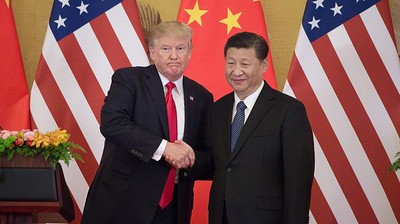
On April 4, 2025, China announced a retaliatory 34% tariff on all U.S. imports, effective April 10, responding to President Trump's own 34% tariff on Chinese imports. This tit-for-tat escalation has pushed total tariffs beyond 54% on both sides. While the White House framed this as economic self-defense, critics call it “**one of the worst economic statecraft blunders in American history”¹.
Markets reacted immediately—US stock futures and European markets fell, and major employers like Stellantis announced layoffs due to disrupted production². The Finance Ministry of China labeled the U.S. actions as “unilateral bullying” and a violation of trade norms³.
Luxury Brands in the Crosshairs: IP as a Weapon
While tariffs grabbed headlines, IP enforcement quietly became a frontline weapon. China had made strides since 2019 in protecting intellectual property⁴. But as tensions rise, those gains risk being reversed. There are now murmurs that Beijing might relax IP enforcement or cancel American trademarks altogether, targeting brands like:
Ralph Lauren
Coach (Tapestry)
Tom Ford
Jimmy Choo (Capri)
Estée Lauder
The Row
La Mer
Even non-luxury brands like Zara, H&M, and Stanley—many of whose goods are made in China—could be exposed⁵.
This playbook isn’t new. Russia used a similar tactic in 2023, waiving IP requirements to flood markets with counterfeits in response to sanctions⁶. China threatening the same isn't far-fetched.
The Social Media Offensive: Are These Exposés Strategic?
Across TikTok, Instagram, and YouTube, there’s been a surge in posts comparing authentic luxury goods to their Chinese-made counterparts. While some content seems grassroots, it aligns uncannily well with state-sponsored digital influence operations uncovered in the past.
Researchers at the Centre for Information Resilience exposed over 350 fake accounts—often AI-generated—used to push pro-China messages⁷. These tactics, previously used to deny Xinjiang abuses or sow division in U.S. politics, now appear to be weaponized for economic propaganda.
The psychological effectiveness of this content is potent. Research shows counterfeits make up 3.3% of global trade⁸, and a 50% discount is the sweet spot where most consumers justify buying fakes⁹. Add in viral videos revealing a $2000 handbag only costs $200 to make? You’ve got a recipe for consumer revolt—and eroded trust in premium brands.
Who Pays the Price?
The tariff war isn’t just abstract macroeconomics—it’s already affecting wallets. American consumers face higher prices, reduced stock returns, and growing uncertainty. Other countries, like Canada, are literally advertising in the U.S. to remind Americans that **“tariffs are taxes”¹⁰.
Luxury brands face a double hit: costlier exports to China and a diluted brand narrative. The aura of exclusivity takes a serious blow when factory costs go viral.
Hidden Agendas: Decoding the Strategy
The U.S. Gameplan
While Trump's rhetoric champions American industry, his strategy focuses only on goods, ignoring services, where the U.S. actually has a global surplus¹¹. By excluding service exports from tariff calculations, this strategy looks more political than economic.
Moreover, consumer behavior, not foreign trade barriers, drives the U.S. trade deficit—Americans simply buy more foreign goods due to wealth and preferences¹².
The Chinese Counterplay
China’s bold retaliatory tariff shocked analysts. Xi Jinping seems to believe the Chinese economy can withstand American pressure—and maybe even turn it to strategic advantage.
Relaxing IP protections could flood global markets with high-quality knockoffs, turning American brands’ core strength—prestige—into a liability. It’s not just about trade. It’s about psychological warfare, cultural clout, and soft power.
What Happens Next? Four Long-Term Risks
Supply Chain Abandonment: Companies may begin to exclude U.S. markets to dodge political instability.
Ethical Race to the Bottom: As tariffs bite, firms may offshore production to cheaper, less-regulated nations.
Authenticity Blur: Sophisticated fakes may erode trust in what’s real and what’s knockoff.
Margin Compression: Brands may be forced to lower prices or justify costs, diluting their luxury positioning.
Conclusion: A Complex Game With No Clear Winners
The spectacle of luxury handbags on TikTok isn’t just viral entertainment—it’s a proxy war in a much deeper conflict. While it might feel like consumer empowerment, we should be cautious not to mistake strategic psychological operations for grassroots education.
The U.S.-China trade war has turned the fashion supply chain into a new front in global economic warfare. In this new landscape, brands aren’t just sellers, they’re symbols—and the consumers? More exposed than empowered.
Sources
Bloomberg – China Hits Back With 34% Tariff After U.S. Escalation (April 2025)
Reuters – Market Reacts to Tariff Spat; Stellantis Layoffs Announced
Xinhua – China Denounces US Actions as Economic Bullying
WIPO – China’s Advances in IP Enforcement: 2019–2023 Review
Wall Street Journal – U.S. Brands Vulnerable to IP Retaliation
BBC – Russia Suspends IP Protection in Sanctions Response (2023)
Centre for Information Resilience – Report on China’s Coordinated Information Operations
OECD – Illicit Trade: The Economic Impact of Counterfeit Goods
Journal of Consumer Research – Consumer Rationalization of Counterfeit Purchases
Globe and Mail – Canada’s “Tariffs Are Taxes” Billboard Campaign in U.S.
Peterson Institute – America’s Trade Surplus in Services: A Missed Opportunity
The Atlantic – The Real Driver of the U.S. Trade Deficit: American Consumers
The Hidden Battle: Chinese Manufacturers, Luxury Brands, and the US-China Trade War
In recent weeks, a curious pattern has emerged on social media: content creators are revealing the stark disparity between the production costs of luxury goods and their retail prices—often accompanied by convincing knockoffs from Chinese manufacturers. As a student of global trade, this trend raised a deeper question in my mind: is this merely a consumer awakening, or could it be a subtle, retaliatory strategy in the escalating US-China trade war?
In this blog, I’ll unpack the geopolitical and economic undercurrents behind these revelations, explore how luxury brands are being dragged into a larger power struggle, and examine whether consumers are the real winners—or unsuspecting pawns—in this global economic game.
The Escalating US-China Trade War: A New Economic Battlefield
On April 4, 2025, China announced a retaliatory 34% tariff on all U.S. imports, effective April 10, responding to President Trump's own 34% tariff on Chinese imports. This tit-for-tat escalation has pushed total tariffs beyond 54% on both sides. While the White House framed this as economic self-defense, critics call it “**one of the worst economic statecraft blunders in American history”¹.
Markets reacted immediately—US stock futures and European markets fell, and major employers like Stellantis announced layoffs due to disrupted production². The Finance Ministry of China labeled the U.S. actions as “unilateral bullying” and a violation of trade norms³.
Luxury Brands in the Crosshairs: IP as a Weapon
While tariffs grabbed headlines, IP enforcement quietly became a frontline weapon. China had made strides since 2019 in protecting intellectual property⁴. But as tensions rise, those gains risk being reversed. There are now murmurs that Beijing might relax IP enforcement or cancel American trademarks altogether, targeting brands like:
Ralph Lauren
Coach (Tapestry)
Tom Ford
Jimmy Choo (Capri)
Estée Lauder
The Row
La Mer
Even non-luxury brands like Zara, H&M, and Stanley—many of whose goods are made in China—could be exposed⁵.
This playbook isn’t new. Russia used a similar tactic in 2023, waiving IP requirements to flood markets with counterfeits in response to sanctions⁶. China threatening the same isn't far-fetched.
The Social Media Offensive: Are These Exposés Strategic?
Across TikTok, Instagram, and YouTube, there’s been a surge in posts comparing authentic luxury goods to their Chinese-made counterparts. While some content seems grassroots, it aligns uncannily well with state-sponsored digital influence operations uncovered in the past.
Researchers at the Centre for Information Resilience exposed over 350 fake accounts—often AI-generated—used to push pro-China messages⁷. These tactics, previously used to deny Xinjiang abuses or sow division in U.S. politics, now appear to be weaponized for economic propaganda.
The psychological effectiveness of this content is potent. Research shows counterfeits make up 3.3% of global trade⁸, and a 50% discount is the sweet spot where most consumers justify buying fakes⁹. Add in viral videos revealing a $2000 handbag only costs $200 to make? You’ve got a recipe for consumer revolt—and eroded trust in premium brands.
Who Pays the Price?
The tariff war isn’t just abstract macroeconomics—it’s already affecting wallets. American consumers face higher prices, reduced stock returns, and growing uncertainty. Other countries, like Canada, are literally advertising in the U.S. to remind Americans that **“tariffs are taxes”¹⁰.
Luxury brands face a double hit: costlier exports to China and a diluted brand narrative. The aura of exclusivity takes a serious blow when factory costs go viral.
Hidden Agendas: Decoding the Strategy
The U.S. Gameplan
While Trump's rhetoric champions American industry, his strategy focuses only on goods, ignoring services, where the U.S. actually has a global surplus¹¹. By excluding service exports from tariff calculations, this strategy looks more political than economic.
Moreover, consumer behavior, not foreign trade barriers, drives the U.S. trade deficit—Americans simply buy more foreign goods due to wealth and preferences¹².
The Chinese Counterplay
China’s bold retaliatory tariff shocked analysts. Xi Jinping seems to believe the Chinese economy can withstand American pressure—and maybe even turn it to strategic advantage.
Relaxing IP protections could flood global markets with high-quality knockoffs, turning American brands’ core strength—prestige—into a liability. It’s not just about trade. It’s about psychological warfare, cultural clout, and soft power.
What Happens Next? Four Long-Term Risks
Supply Chain Abandonment: Companies may begin to exclude U.S. markets to dodge political instability.
Ethical Race to the Bottom: As tariffs bite, firms may offshore production to cheaper, less-regulated nations.
Authenticity Blur: Sophisticated fakes may erode trust in what’s real and what’s knockoff.
Margin Compression: Brands may be forced to lower prices or justify costs, diluting their luxury positioning.
Conclusion: A Complex Game With No Clear Winners
The spectacle of luxury handbags on TikTok isn’t just viral entertainment—it’s a proxy war in a much deeper conflict. While it might feel like consumer empowerment, we should be cautious not to mistake strategic psychological operations for grassroots education.
The U.S.-China trade war has turned the fashion supply chain into a new front in global economic warfare. In this new landscape, brands aren’t just sellers, they’re symbols—and the consumers? More exposed than empowered.
Sources
Bloomberg – China Hits Back With 34% Tariff After U.S. Escalation (April 2025)
Reuters – Market Reacts to Tariff Spat; Stellantis Layoffs Announced
Xinhua – China Denounces US Actions as Economic Bullying
WIPO – China’s Advances in IP Enforcement: 2019–2023 Review
Wall Street Journal – U.S. Brands Vulnerable to IP Retaliation
BBC – Russia Suspends IP Protection in Sanctions Response (2023)
Centre for Information Resilience – Report on China’s Coordinated Information Operations
OECD – Illicit Trade: The Economic Impact of Counterfeit Goods
Journal of Consumer Research – Consumer Rationalization of Counterfeit Purchases
Globe and Mail – Canada’s “Tariffs Are Taxes” Billboard Campaign in U.S.
Peterson Institute – America’s Trade Surplus in Services: A Missed Opportunity
The Atlantic – The Real Driver of the U.S. Trade Deficit: American Consumers